

根据中国科学家发表在《焦耳杂志》上的新研究,月球土壤包括能够将二氧化碳转化为氧和燃料的活性分子。他们正在研究是否可以利用农历资源来帮助人类对月球的探索。
将产品推入太空是昂贵的。因此,在月球上发现的任何物质不需要从地球上取走,都可以节省大量的钱。
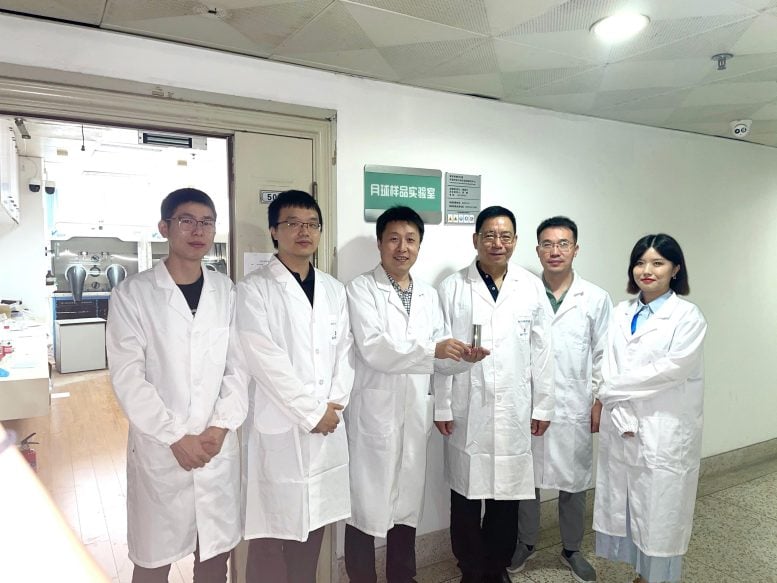
Yingfang Yao and his colleagues from Nanjing University in China investigated a lunar soil sample to see if it could be used as a catalyst in a system that converts carbon dioxide and water released by astronauts’ bodies into oxygen, hydrogen, and other valuable byproducts that could be used to power a lunar base.
“The question they are really asking is: ‘Is there something weird about lunar “soil” that will prevent us from doing things that we can do with Earth soil?’ Their answer is no,” says Michael Hecht at the Massachusetts Institute of Technology, who wasn’t involved in the research.
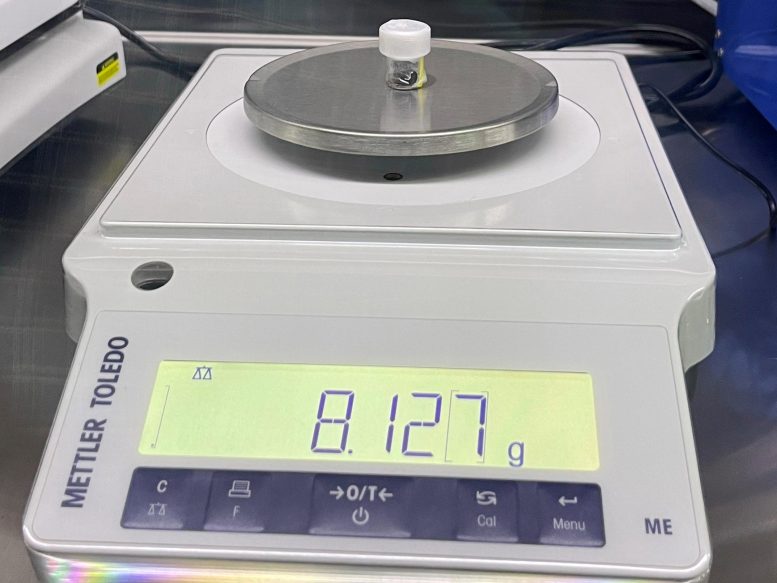
Yao和他的同事最初使用电子显微镜和X射线衍射来发现催化活性的土壤成分。他们发现大量铁和镁的化学物质在与绿色植物中非常相似的光合作用的反应中可能有用。
然后,将土壤作为各种化学反应中的催化剂评估,作为光合作用过程的一部分,以使二氧化碳和水从二氧化碳和水中产生氧气和氧气。
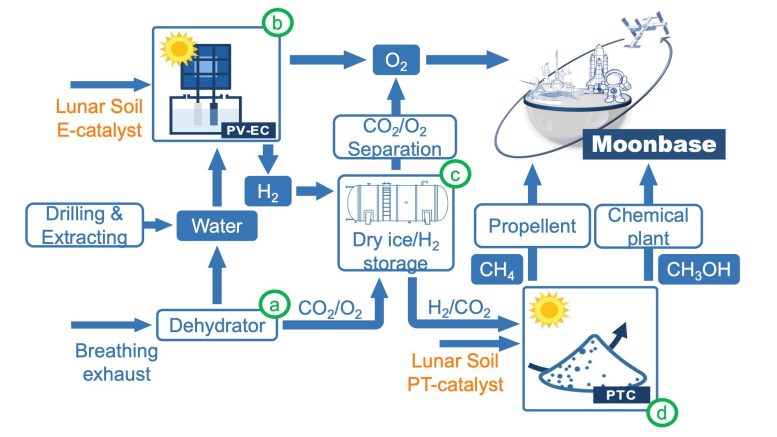
研究人员发现,月球土壤的催化效率小于地球上可用的催化剂。Yao说,该团队正在测试改进设计的不同方法,例如将月球土壤融化成纳米结构的高渗透材料,这是一种更好的催化剂。
此外,赫希特还有其他克服障碍。例如,Yao和他的团队提出的反应需要液化二氧化碳,他们认为这可以通过使用月球寒冷的气氛来完成,但Hecht持怀疑态度。
“在月球上,寒冷的温度不允许您浓缩二氧化碳;您必须散发热量才能做到。”
空间实现无可否认是有益的。获取可以帮助人类在其他行星或月球上生存的新信息是有帮助的。研究人员以前提供了许多行星际生计方法。但是,大多数设计都需要地球上的能量。
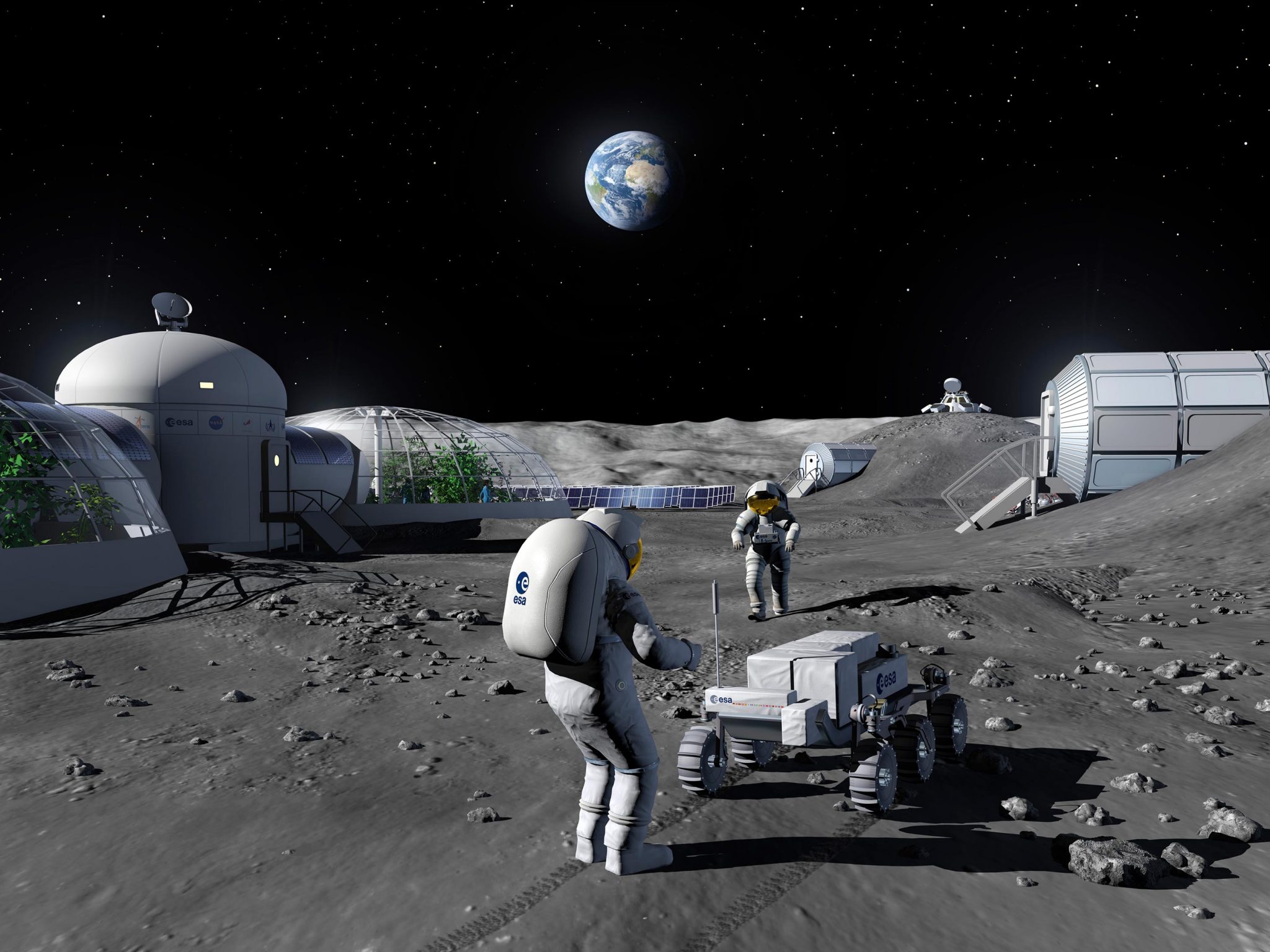
Yao说:“在不久的将来,我们将看到机组人员飞行行业发展迅速。”
“Just like the ‘Age of Sail’ in the 1600s when hundreds of ships head to the sea, we will enter an ‘Age of Space.’ But if we want to carry out large-scale exploration of the extraterrestrial world, we will need to think of ways to reduce payload, meaning relying on as little supplies from Earth as possible and using extraterrestrial resources instead.”

